
All About Barnevelder Chickens: The Beautiful and Unique Breed
The Barnevelder chicken is one of the most visually striking breeds, known for its stunning plumage and unique appearance. Not only do these chickens bring beauty to any backyard flock, but they are also hardy, productive, and versatile. With their colourful feathers, calm disposition, and strong egg-laying abilities, Barnevelders have earned a loyal following among chicken keepers. If you’re looking to add an eye-catching and low-maintenance breed to your flock, here’s everything you need to know about Barnevelder chickens.

History and Origins
The Barnevelder chicken originated in the Netherlands, specifically from the village of Barneveld, which is where the breed gets its name. The breed was developed during the late 1800s, a time when Dutch breeders were working to create a hardy chicken that could withstand colder climates while also producing both eggs and meat.
Barnevelders are believed to have been crossed with various breeds, including the Campine, Hamburg, and possibly Polish chickens, which contributed to their distinctive feather pattern. One of the most unique features of the Barnevelder is its “double-laced” feather pattern, a characteristic that makes it one of the most admired and recognizable chicken breeds.
Appearance and Characteristics
Barnevelder chickens are famous for their breathtaking plumage and slender build. Here’s a closer look at what makes them stand out:
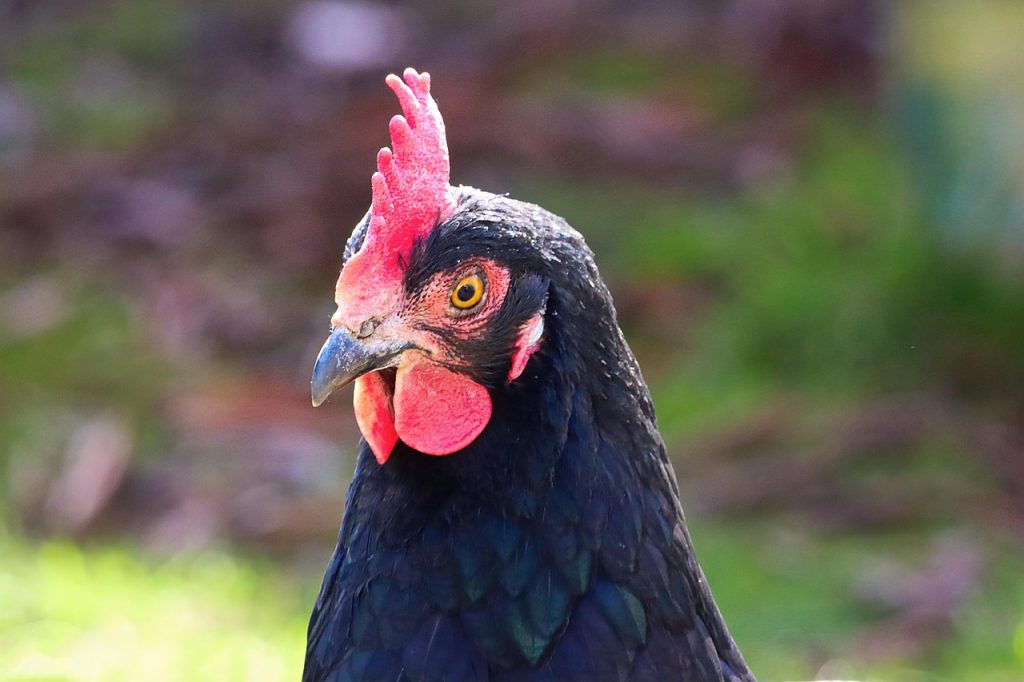
Feathers: Barnevelders are best known for their unique feather pattern called “double-lacing.” Each feather has a dark outer band that gives it a “laced” look, often contrasting with a lighter base. This results in an intricate and eye-catching design that can come in several colours, with the most common being golden and silver varieties. The laced pattern is even more defined in the sun, giving these chickens a radiant glow.
Size: Barnevelders are a medium-sized breed, with hens weighing between 4 and 5 pounds and roosters around 6 pounds. They have a lean, upright stance with an elegant appearance.
Eggs: Barnevelder hens are known for their consistent egg-laying abilities. While not the most prolific layers compared to some other breeds, they still average about 200 to 250 medium-sized, light-brown eggs per year. Their eggs are often described as having a slightly darker hue compared to eggs from other backyard breeds.
Temperament: Barnevelders are generally calm, friendly, and social birds. While not as docile as some other breeds, they’re far from aggressive and are usually easy to handle. They do well in both mixed flocks and more solitary environments. Barnevelders are active foragers and are relatively independent, but they’re not shy and enjoy interacting with their keepers.
Hardiness: One of the key reasons Barnevelder chickens were originally developed was for their ability to withstand harsher weather conditions. They are cold-hardy and can handle cooler climates well. However, they can tolerate heat reasonably well too, provided they have access to shade and fresh water during hot weather.
Care and Maintenance
Barnevelder chickens are generally easy to care for, making them a great choice for both beginners and experienced chicken keepers. Here’s how to provide the best care for your Barnevelders:
Housing: While Barnevelders are not particularly prone to getting cold, it’s important to keep them in a well-ventilated, dry, and secure chicken coop, especially during the winter months. They should be provided with enough space to move around comfortably, as overcrowding can lead to stress and aggression, even in a breed as calm as the Barnevelder.
Diet: Like most chickens, Barnevelders should be fed a balanced diet of quality poultry feed that meets their nutritional needs. Supplement their diet with kitchen scraps, mealworms, and greens, but always ensure that they have access to grit for proper digestion. Fresh water should always be available.
Exercise and Foraging: Barnevelders are active foragers and enjoy the opportunity to free-range in a secure environment. If you allow them to roam, make sure the area is predator-proof. Providing them with space to explore and search for insects and plants is beneficial for their physical and mental health.
Health and Maintenance: Barnevelders are generally healthy chickens, but like all poultry, they can be susceptible to common issues like mites, lice, and respiratory infections. Regularly check their feathers, especially around the vent area, for parasites, and ensure that their living environment is clean and dry.
Advantages of Raising Barnevelders
Beautiful Plumage: One of the most obvious advantages of raising Barnevelders is their stunning appearance. Their “double-laced” feather pattern is a showstopper, making them a standout in any flock. They’re an excellent choice for chicken keepers who want both function and beauty.
Hardy and Adaptable: Barnevelders are resilient birds that can thrive in a range of climates. They are especially well-suited to cold weather, but they’re adaptable to warmer conditions as long as they have proper shade and hydration.
Good Egg Layers: Though not the most prolific layers, Barnevelders provide a consistent supply of eggs throughout the year. Their eggs are often larger than average and can add variety to your collection of backyard eggs.
Friendly and Independent: Barnevelders are generally calm and independent, which makes them relatively low-maintenance. They’re friendly enough to interact with their keepers but are not as needy as some other breeds, which can make them a good choice for busy chicken owners.
Potential Challenges of Raising Barnevelders
Moderate Egg Production: While Barnevelders are reliable egg layers, their production can’t compare to more prolific breeds like Rhode Island Reds or Leghorns. If you’re looking for a breed that lays eggs every day, you may want to consider a different breed.
Not Ideal for Newbies: While Barnevelders are generally calm and friendly, they are not as docile as some other backyard breeds. They may not always tolerate too much handling, so it’s important to handle them with care, especially when they are younger.
Risk of Feather Loss: The laced feathers that make Barnevelders so beautiful can sometimes be susceptible to damage or breakage. Feather loss can occur, especially during moulting or due to rough handling, so it’s important to avoid stressing them or causing damage to their plumage.
Conclusion
Barnevelder chickens are an excellent choice for poultry enthusiasts who want a hardy, beautiful, and relatively low-maintenance breed. Their unique plumage and calm demeanour make them a joy to raise, and their adaptability to different climates makes them a versatile addition to any flock. While their egg production may not be as high as some other breeds, their beauty, friendliness, and hardiness make them a valuable and admired breed for both new and experienced chicken keepers alike.
If you’re looking to add a touch of colour and elegance to your flock while still enjoying good egg production and easy care, the Barnevelder is certainly worth considering.