
If you’re looking for a friendly, hardy, and attractive chicken breed for your backyard flock, the Plymouth Rock might be the perfect choice. Known for their striking feather pattern, calm temperament, and consistent egg production, Plymouth Rock chickens are a favourite among poultry enthusiasts. Whether you’re a seasoned chicken keeper or a beginner, this breed is a great option that combines beauty with practicality. Here’s everything you need to know about Plymouth Rock chickens.
What Are Plymouth Rock Chickens?
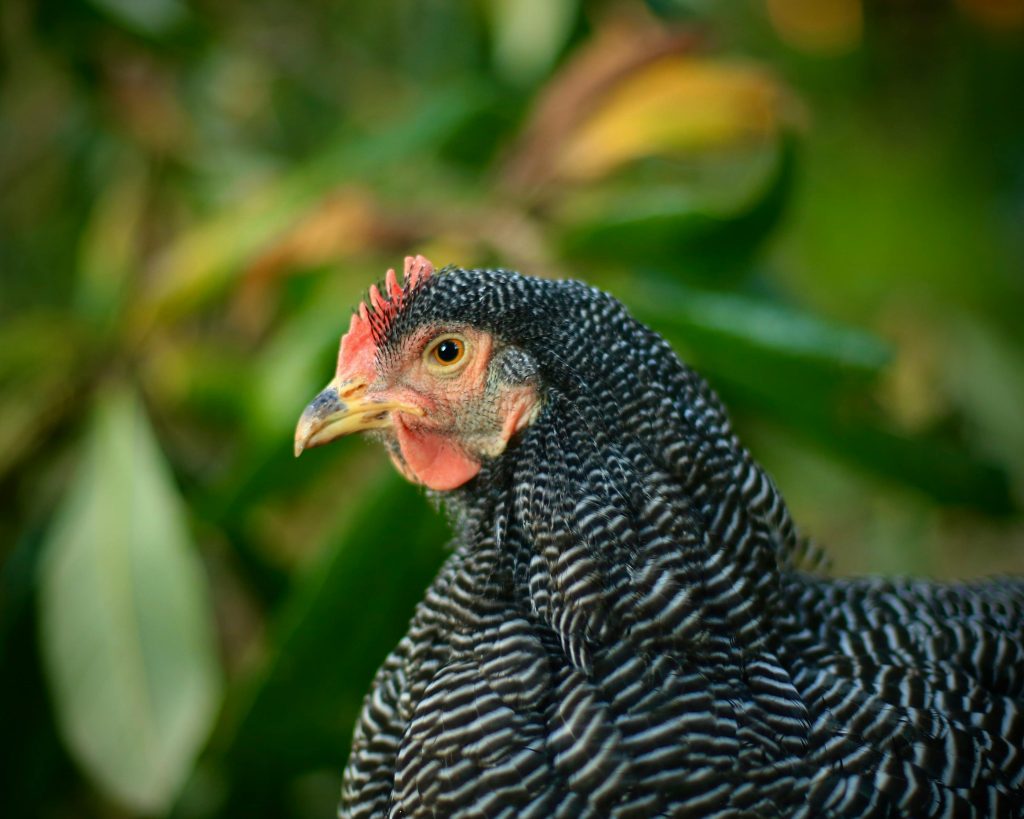
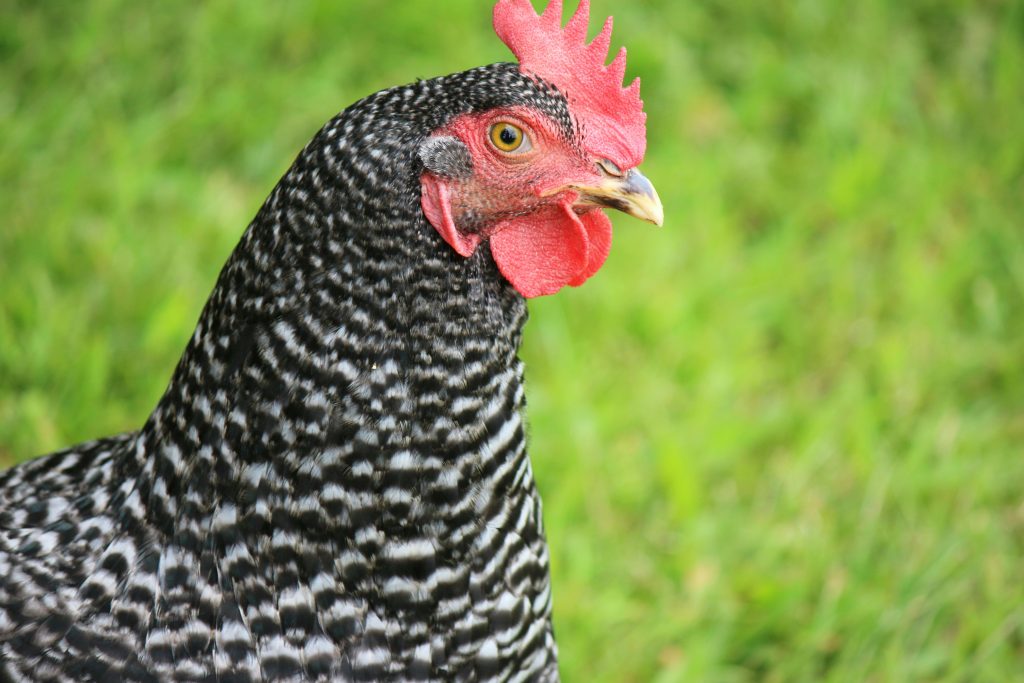
Plymouth Rock chickens are a heritage breed that is easily recognizable by their unique striped or “barred” feather pattern. Their black-and-white striped feathers give them a distinctive and attractive look, and they are one of the most popular breeds in North America. The breed is known for being friendly, hardy, and a reliable layer of medium-sized brown eggs. Plymouth Rocks are a dual-purpose breed, meaning they are good for both egg production and meat, though they are most often kept for their egg-laying abilities.
While they are commonly referred to simply as “Plymouth Rock,” the term actually refers to several varieties of this breed. The most well-known and widely recognized is the Barred Plymouth Rock, but they also come in other colours, such as White, Silver Pencilled, and Blue.
History and Origins
Plymouth Rock chickens have a rich history that dates back to the early 19th century. They originated in the United States, specifically in Massachusetts, where they were first bred in the 1800s. The breed was developed by crossing different chickens, including Cochins, Dominiques, and possibly Java chickens, in order to create a bird that was hardy, productive, and visually appealing.
The Plymouth Rock was initially bred for both meat and egg production, making them a popular choice among early American farmers. By the late 1800s, the breed was officially recognized by the American Poultry Association (APA), and it quickly gained popularity as one of the most desirable chickens in the country.
Appearance and Characteristics
The Plymouth Rock is an eye-catching breed, especially known for its bold feather pattern. Here’s a closer look at their appearance and physical traits:
Feather Pattern: The most distinctive feature of the Plymouth Rock is its barred feather pattern. The black-and-white striped feathers give the bird a striking appearance. This pattern is most pronounced in the Barred variety, but other colour variations, such as White, Silver Pencilled, and Blue, also exist.
Size: Plymouth Rocks are a medium-sized breed. Adult hens typically weigh around 6 to 7 pounds, and roosters weigh around 7 to 8 pounds. Their compact, sturdy bodies make them well-suited for both laying eggs and being raised for meat.
Eggs: Plymouth Rock hens are consistent layers, producing about 200 to 280 medium-sized brown eggs per year. Their eggs are a rich, light brown colour and have a good shell strength, making them an excellent choice for regular egg production.
Temperament: Plymouth Rocks are known for being calm, friendly, and easy to handle. They are typically very social and enjoy the company of both humans and other chickens. They are also good with children, making them an ideal choice for families. While they are friendly, they are not overly needy, and they tend to be relatively independent. They enjoy interacting with their owners but are not as demanding as some more docile breeds.
Hardiness: Plymouth Rocks are hardy chickens that can withstand both cold and hot temperatures. They are well-suited for a variety of climates, making them a great choice for a range of environments. Their adaptability to weather conditions and resistance to illness make them reliable chickens for backyard flocks.
Care and Maintenance
Plymouth Rock chickens are easy to care for and are generally hardy in a range of conditions. Here are a few key points to consider when raising Plymouth Rocks:
Housing: Like most chickens, Plymouth Rocks need a safe, secure, and well-ventilated coop to protect them from predators and harsh weather. Provide at least 2 to 3 square feet per bird inside the coop and 8 to 10 square feet per bird in an outdoor run. Ensure they have access to nesting boxes for laying eggs, and regularly clean their living space to prevent the buildup of waste.
Diet: Plymouth Rocks should be fed a balanced diet of high-quality poultry feed that provides all the necessary nutrients for egg production and overall health. A good layer feed, supplemented with kitchen scraps, greens, and occasional treats like mealworms, will keep them healthy and happy. Make sure they always have access to fresh water to stay hydrated, and provide them with grit to help with digestion.
Exercise and Foraging: These chickens are active foragers, and they enjoy roaming the yard in search of insects, seeds, and plants. If you have the space for free-ranging, Plymouth Rocks will appreciate the opportunity to stretch their legs and forage for food. However, they also do well in confined spaces, so a large outdoor run or chicken yard will suffice if free-ranging isn’t an option.
Health: Plymouth Rock chickens are generally healthy and hardy, but, like all chickens, they can be susceptible to certain health issues, such as respiratory infections, parasites (like mites or lice), and egg-laying problems. Regularly inspect them for any signs of illness, and maintain a clean, dry environment to reduce the risk of health problems. Vaccinations and parasite control are important for keeping your flock in top condition.
Advantages of Raising Plymouth Rock Chickens
Consistent Egg Production: Plymouth Rocks are reliable egg layers, producing a steady supply of medium-sized brown eggs. If you’re looking for a breed that’s dependable for daily egg production, Plymouth Rocks will meet your needs.
Hardy and Adaptable: These chickens are known for their ability to thrive in various climates, from hot summers to cold winters. Their hardy nature makes them a great choice for beginners and experienced keepers alike.
Friendly and Social: Plymouth Rocks are known for their gentle and calm temperament. They are great with children and are friendly toward other chickens, which makes them perfect for backyard flocks, especially if you have other birds.
Attractive Appearance: With their bold barred feather pattern, Plymouth Rock chickens are visually striking. Whether you’re raising them for eggs, meat, or simply for their beauty, their appearance adds charm to any flock.
Dual-Purpose: While Plymouth Rocks are primarily kept for egg production, they are also suitable for meat production. Their solid build and good size make them an excellent choice for those who want a breed that serves both purposes.
Challenges of Raising Plymouth Rock Chickens
Not the Best for High Egg Production: While Plymouth Rocks are good layers, they don’t typically match the egg production of some of the highest-performing breeds, like the Leghorn or Hy-Line. If you’re looking for extreme egg production, you may want to consider another breed.
Feather Maintenance: While Plymouth Rocks’ feather pattern is stunning, it can require more maintenance than some other breeds, especially during the moulting season. Their barred feathers can sometimes show wear and tear, so regular checks for mites, lice, or damage are important.
Slow to Mature: Plymouth Rocks are a slower-maturing breed, meaning they may take longer than other chickens to begin laying eggs. Expect them to start laying at around 5 to 6 months, compared to some other breeds that can begin laying earlier.
Conclusion
Plymouth Rock chickens are a fantastic choice for backyard chicken keepers who want a friendly, hardy, and reliable egg layer. With their beautiful striped feather pattern, calm disposition, and consistent egg production, Plymouth Rocks are a breed that brings both beauty and practicality to your flock. While they may not be the most prolific egg layers, they offer a well-rounded combination of attributes that make them a popular choice for families, small farms, and chicken enthusiasts.
Whether you’re interested in their charming appearance, their steady egg-laying abilities, or their friendly nature, the Plymouth Rock is sure to make a welcome addition to your flock.