
Everything You Need to Know About Easter Egger
If you’re looking for a chicken breed that’s as colourful in personality as it is in egg production, look no further than the Easter Egger chicken. Known for their delightful array of egg colours and friendly demeanour, Easter Eggers are an increasingly popular choice for backyard flocks across the globe. In this article, we’ll explore the unique traits of these chickens, from their origins and appearance to the benefits of raising them.
What Is an Easter Egger Chicken?
An Easter Egger is not actually a specific breed of chicken, but rather a mixed-breed chicken that is bred to lay eggs in a variety of colours, hence the name “Easter Eggers.” These chickens are often the result of crosses between breeds that carry the gene for laying blue or green eggs, such as the Araucana, Ameraucana, and Cream Legbar breeds. Easter Eggers can lay eggs in a range of colours, including blue, green, pink, and even brown, making them a fun and colourful addition to any flock.
Though they are not recognized by major poultry associations like the American Poultry Association (APA), Easter Eggers are prized by backyard chicken keepers for their vibrant eggs and friendly personalities. These birds are often sold under the name “Ameraucana” or “Araucana” in hatcheries, but it’s important to note that they are technically hybrids, not purebred chickens.
Origins and History
The origins of the Easter Egger are a bit of a mystery, as they are the product of several crossbreeds and are not an ancient breed with a long-established history. The goal of creating the Easter Egger was simple: to breed chickens that could lay eggs in a variety of colours. The breed’s development likely occurred in the United States in the mid-20th century when poultry enthusiasts began crossing chickens like the Ameraucana (which lays blue eggs) and the Araucana (known for its blue egg gene) with other types of chickens that had good egg-laying traits.
Today, Easter Eggers are often bred to combine the best characteristics of their parent breeds, such as vibrant feather colours, excellent laying habits, and docile temperaments.
Appearance and Characteristics
Easter Eggers are as diverse in appearance as they are in egg colour. Since they are a hybrid breed, there’s a lot of variation in their feathering, size, and overall look. However, there are some general traits that most Easter Eggers share:
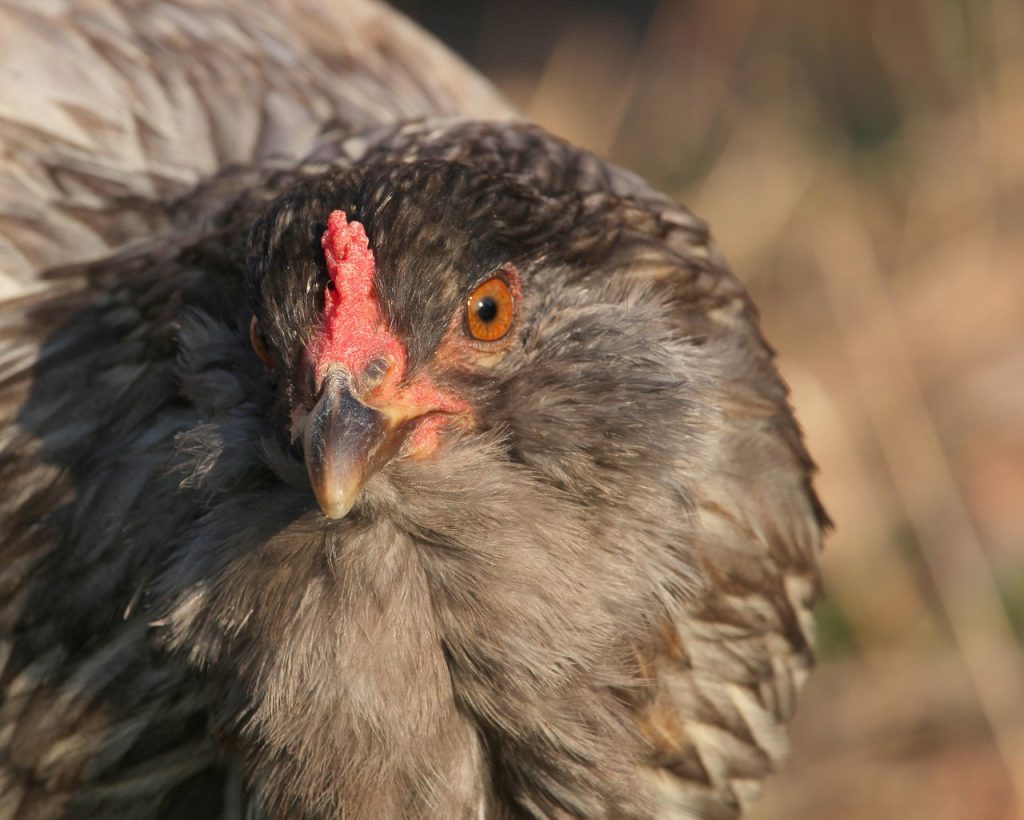
Feather Colours: Easter Eggers can come in a variety of colours and patterns, including black, blue, white, red, and even mixes of these shades. Their plumage can feature patterns like mottling, speckling, or barring, and they may have a mix of soft or glossy feathers. No two Easter Eggers are likely to look exactly alike!
Size: Easter Eggers are generally medium-sized chickens, with hens weighing between 4 and 5 pounds and roosters around 5 to 6 pounds. Their compact but sturdy build allows them to be productive in both egg production and foraging.
Eggs: The most exciting feature of the Easter Egger is their colourful eggs. These chickens can lay a wide range of egg colours, from soft pastels like mint green, sky blue, and pale pink to deeper shades like olive and tan. Their eggs are often medium to large in size and are prized for both their colour and quality. On average, Easter Eggers will lay around 250 to 300 eggs per year.
Personality: Easter Eggers are known for being friendly, curious, and generally easy to handle. They are calm chickens that tend to get along well with other birds, making them great additions to mixed flocks. While they are not as tame as some breeds (like Silkies or Orpingtons), they are typically friendly and enjoy interacting with their owners. Many Easter Eggers are excellent free-range birds, as they are inquisitive and love foraging.
Care and Maintenance
Easter Eggers are relatively easy to care for and adapt well to different environments. Whether you’re a beginner or a seasoned poultry keeper, these chickens are a great option for your flock.
Housing: Easter Eggers, like most chickens, need a dry, secure, and well-ventilated chicken coop. Make sure to provide enough space per bird—ideally, around 2 to 3 square feet per chicken inside the coop and 8 to 10 square feet per chicken in an outdoor run. Easter Eggers are hardy and can tolerate both warm and cold climates, but ensure they have shelter from harsh weather conditions.
Diet: Easter Eggers need a balanced poultry feed that provides them with the right amount of protein, vitamins, and minerals. Offer them a good layer feed to support their egg production. You can also supplement their diet with kitchen scraps, greens, and other treats like mealworms or oats. Always provide access to fresh water and grit, which helps them digest their food properly.
Exercise and Foraging: Easter Eggers are active foragers that enjoy free-ranging. If you have a secure, predator-proof yard, letting them roam and forage for bugs, seeds, and plants is great for their overall health and well-being. If free-ranging isn’t an option, be sure to provide them with a spacious run that allows them to move around comfortably.
Health Care: As with all chickens, it’s important to monitor your Easter Eggers for any signs of illness, such as lethargy, changes in egg production, or abnormal behaviour. They’re generally a hardy breed, but they can be susceptible to common poultry health issues, including mites, lice, and respiratory infections. Regularly check their feathers, beaks, and vents for signs of pests or injury.
Advantages of Raising Easter Eggers
Colourful Eggs: The most obvious advantage of raising Easter Eggers is their beautiful, multi-coloured eggs. They provide a fun surprise in your egg basket and can add a unique touch to your breakfast routine.
Friendly and Social: Easter Eggers are typically friendly and calm, making them great for families or people who enjoy interacting with their chickens. They are generally easy to handle and get along well with other birds.
Hardy and Adaptable: Easter Eggers can thrive in a variety of climates, from hot summers to chilly winters. They are low-maintenance chickens that do well in both urban and rural environments.
Good Egg Production: While not the most prolific layer (like some other breeds), Easter Eggers still provide a steady supply of eggs, averaging around 250-300 eggs per year, making them a reliable option for backyard egg production.
Variety and Personality: Easter Eggers are unique in their appearance and personality. With their wide range of feather colours, patterns, and temperaments, no two Easter Eggers are alike, and their quirks make them a fun breed to raise.
Challenges of Raising Easter Eggers
Inconsistent Appearance: Since Easter Eggers are hybrids, their appearance can vary greatly. While this is part of their charm, it can be challenging for those looking for a specific look or pattern in their chickens.
Not a Purebred: Easter Eggers are often mistaken for Ameraucanas or Araucanas, but they are hybrids and are not recognized as a true breed. This can sometimes lead to confusion among new chicken keepers.
Egg Production: While Easter Eggers are reliable layers, their egg production is not as high as some other breeds like Leghorns or Rhode Island Reds. They may also go through periods of reduced egg production, especially during the winter months or during molt.
Conclusion
Easter Eggers are a fantastic choice for anyone looking to add some colour, charm, and personality to their flock. With their stunning variety of egg colours, friendly nature, and hardiness, they make a great addition to any backyard chicken coop. Whether you’re drawn to their multi-coloured eggs or simply love their inquisitive and social nature, Easter Eggers are sure to bring joy to your flock and your breakfast table.