
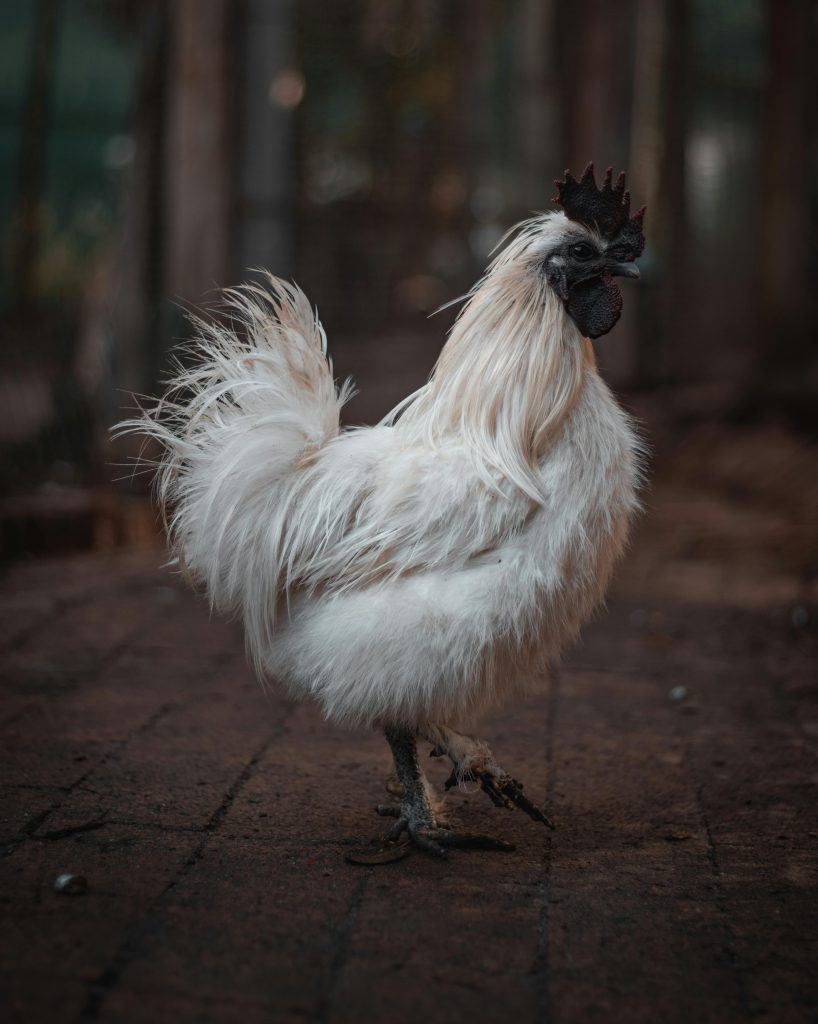
Avian influenza, often referred to as bird flu, is a highly contagious viral infection that primarily affects domestic poultry and wild birds. While avian influenza is a common concern among poultry farmers, backyard chicken keepers, and those involved in bird conservation, the disease can also pose a significant threat to human health in certain circumstances. Understanding the virus, its symptoms, prevention strategies, and the importance of biosecurity can help keep your flock safe and reduce the spread of the disease.
What is Avian Influenza?
Avian influenza is caused by influenza A viruses, which can infect a wide variety of bird species, from wild waterfowl to domesticated poultry like chickens, ducks, and turkeys. There are several subtypes of the virus, with H5 and H7 being the most common and concerning strains in poultry. While many strains of avian influenza are mild and cause little harm to infected birds, others can be highly pathogenic, leading to severe illness and high mortality rates in poultry.
The virus can spread through direct contact between infected and healthy birds, contaminated feed, water, equipment, and clothing. Wild birds, especially waterfowl, can serve as carriers and spread the virus over long distances, sometimes infecting domestic flocks without showing any signs of illness.
Symptoms of Avian Influenza in Poultry
Infected poultry may show a range of symptoms, which can vary depending on the severity of the strain. Mild strains may cause only a slight decrease in egg production or a mild respiratory illness, while highly pathogenic strains can lead to sudden death and widespread illness.
Common symptoms include:
- Respiratory issues: Coughing, sneezing, nasal discharge, and difficulty breathing
- Digestive problems: Diarrhea, swollen abdomen, and a decrease in appetite
- Neurological signs: Tremors, twisted necks, or uncoordinated movements
- Swollen head and neck: Puffy or swollen comb, wattles, and eyes
- Decreased egg production: A sudden drop in egg laying or the production of soft-shelled eggs
- Sudden death: In highly pathogenic strains, infected birds can die rapidly, sometimes within 48 hours of showing symptoms
If you suspect avian influenza in your flock, it’s essential to act quickly and contact local agricultural authorities or a veterinarian for guidance.
How Avian Influenza Spreads
Avian influenza spreads primarily through direct contact with infected birds, their bodily fluids, or contaminated materials. The virus can be transmitted via:
- Feces and saliva: The virus is often shed in the feces, saliva, and nasal secretions of infected birds. These secretions can contaminate the environment, water, and feed.
- Bird-to-bird contact: Healthy birds can contract the virus when they come into contact with infected birds, whether through close contact or shared environments.
- Humans and equipment: People who handle infected birds, along with equipment, clothing, and footwear, can carry the virus from one location to another. The virus can survive on surfaces for hours to days, making biosecurity practices essential in preventing its spread.
- Wild birds: Migratory wild birds, especially waterfowl, can carry avian influenza over long distances, infecting domestic flocks in their path. Even if wild birds are not visibly sick, they can still shed the virus and transmit it to domestic poultry.
Avian Influenza and Humans
While avian influenza is primarily a disease that affects birds, certain strains of the virus, particularly the H5N1 and H7N9 subtypes, have occasionally been transmitted to humans. Human infections typically occur through close contact with infected poultry or their contaminated environments. Symptoms in humans can range from mild flu-like symptoms to severe respiratory illness and, in rare cases, death.
The risk to human health is low, but it’s important to be cautious when handling sick birds or visiting farms with infected flocks. Individuals who work closely with poultry, such as farmers, veterinarians, or poultry processing workers, should follow proper safety protocols to minimize the risk of infection.
Preventing Avian Influenza in Your Flock
Preventing avian influenza in your flock is crucial to avoiding the devastating effects of the disease. Here are some essential strategies for protecting your chickens and other poultry:
1. Biosecurity Measures
- Limit contact with wild birds: Keep your flock in a secure, enclosed area to prevent contact with wild birds, which are common carriers of avian influenza.
- Control visitors: Limit access to your poultry farm or backyard coop. Anyone who enters should wash their hands and disinfect shoes and clothing before and after entering the flock area.
- Disinfect equipment: Regularly disinfect equipment, tools, feeders, and water containers. Clean and sanitize boots, vehicles, and any other items that may come into contact with birds.
- Isolate sick birds: If any bird in your flock shows signs of illness, immediately isolate it from the rest of the flock. Monitor all birds for symptoms and keep a close eye on their health.
- Control pests: Rodents and insects can carry the virus. Ensure that your poultry area is free of pests by using traps, insecticides, and other control methods.
2. Vaccination
In some regions, avian influenza vaccines are available to protect poultry from certain strains of the virus. Consult with a veterinarian about vaccination options for your flock, especially if you live in an area where avian influenza outbreaks are more common.
3. Monitoring and Surveillance
Stay informed about the latest outbreaks of avian influenza in your area by keeping in contact with local agricultural authorities. Regularly check your flock for signs of illness and immediately report any suspected cases to the appropriate authorities.
What to Do if You Suspect Avian Influenza
If you suspect that your flock may have been exposed to avian influenza, it’s essential to take immediate action to limit the spread of the virus. Here’s what you should do:
- Quarantine your flock: Isolate any sick birds and prevent them from coming into contact with healthy birds.
- Contact authorities: Reach out to local agricultural or veterinary authorities for guidance on testing and reporting. They may instruct you on how to properly handle and dispose of infected birds.
- Follow local protocols: Follow any local regulations regarding avian influenza control, which may include culling infected flocks, disinfection procedures, and restrictions on movement.
Conclusion
Avian influenza remains a significant threat to poultry populations worldwide, with the potential to cause severe illness, death, and economic losses. By understanding how the virus spreads, recognizing the symptoms, and implementing strict biosecurity measures, you can help protect your flock and reduce the risk of an outbreak. If you suspect avian influenza in your flock, swift action and cooperation with local authorities are key to controlling the spread of the disease. Stay informed, be vigilant, and take preventive steps to safeguard your chickens, ducks, turkeys, and other poultry from this dangerous virus.