
Leghorn Chickens: The Iconic Egg Layer
Leghorn chickens are one of the most well-known and prolific breeds in the world, famous for their exceptional egg production and active, hardy nature. Originating in Italy, Leghorns have been a staple in both commercial and backyard poultry keeping for many years, and their characteristics make them a favorite among egg producers. Here’s everything you need to know about Leghorn chickens, including their history, appearance, temperament, and care.
Origin and History
Leghorn chickens originated in Italy, where they were bred to thrive in the warm Mediterranean climate. They were initially known as “Italians” before being officially recognized as the Leghorn breed. The name “Leghorn” is believed to come from the Italian port city of Livorno, through which the chickens were exported to America and other parts of the world in the early 1800s.
The breed gained popularity quickly in the United States for its high egg production, and it became the foundation of commercial egg production. Over time, various varieties and color patterns of Leghorns were developed, but they are still most commonly recognized for their white plumage.
Physical Characteristics
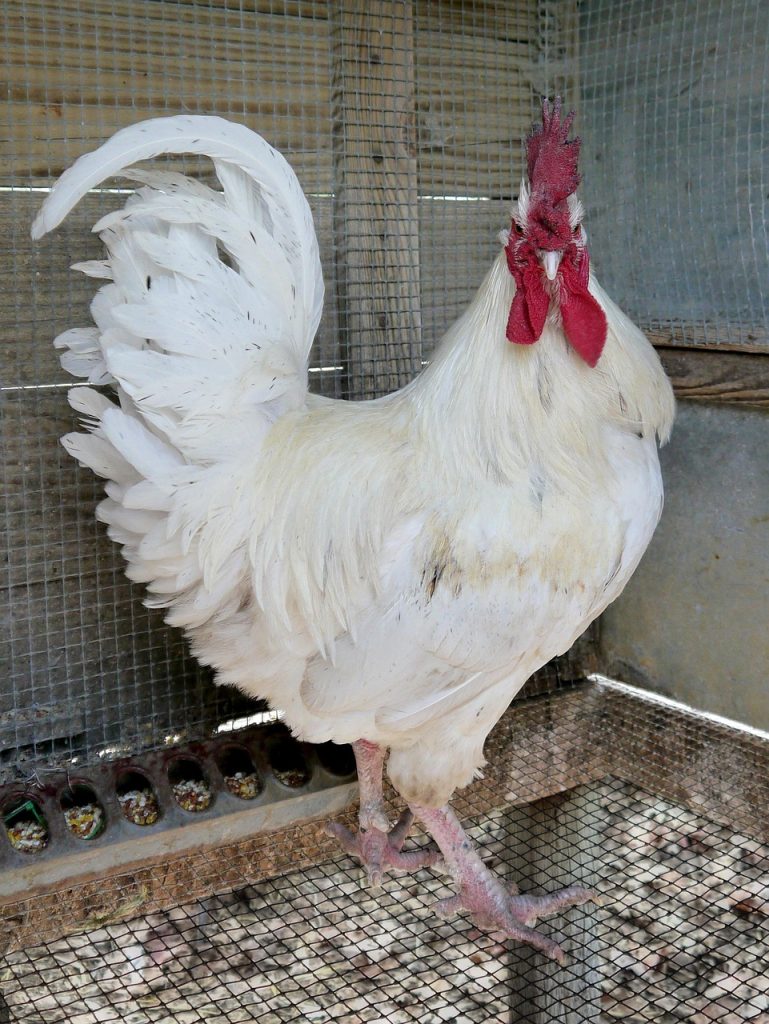
Leghorn chickens are characterized by their slender, lightweight bodies and distinctive white plumage, though they come in a variety of colors. They are generally considered medium-sized birds, with roosters being slightly larger than hens.
- Size: Leghorns are lightweight chickens. Hens typically weigh between 4-5 lbs (1.8-2.3 kg), and roosters are a bit heavier at 5-6 lbs (2.3-2.7 kg).
- Plumage: While the classic Leghorn is known for its white feathers, they also come in a variety of colors, including black, brown, red, and blue. However, white is still the most common and recognizable variety.
- Comb: Leghorns typically have a single comb (a comb with a single row of points), which is bright red. The comb is often quite large, especially in roosters.
- Legs: They have yellow legs, which adds to their striking appearance.
- Eyes: Leghorns have bright, alert eyes, typically red or orange in color.
Temperament and Behavior
Leghorns are active and independent birds. They are known for their high energy levels and for being very curious and inquisitive, which makes them great foragers, especially in free-range environments. Here are a few key behavioral traits:
- Flighty and Nervous: Leghorns are not particularly friendly or calm like some other breeds. They tend to be more flighty and nervous, especially around people. They are very independent and may not enjoy being handled as much as some other breeds, though regular handling from a young age can help them become more accustomed to human interaction.
- Active and Hardy: Leghorns are highly active and like to roam and explore. They are excellent foragers, which makes them well-suited to free-range or pasture systems. They are also hardy birds and can tolerate a range of climates, although they may not do well in extremely cold environments due to their relatively small body size and lack of substantial feather coverage.
- Social: While they might not be overly friendly, Leghorns tend to get along well with other chickens. However, their high activity level means they may outpace or dominate slower, more docile breeds.
Egg Production
Leghorns are superb egg layers and are among the most prolific layers of all chicken breeds. They are known for their consistent egg production, and many commercial egg farms use Leghorns because of their ability to lay large quantities of eggs with minimal care.
- Egg Production: A single Leghorn hen can lay an average of 280 to 320 eggs per year, with some especially productive birds laying even more. They typically lay large white eggs, which are highly valued in commercial egg markets.
- Efficiency: Leghorns are efficient layers, which means they produce eggs regularly, even during the winter months when many other breeds reduce their egg production. However, their high productivity comes at a price—since Leghorns focus on egg production, they may not live as long as other breeds that are raised more for meat or dual-purpose use.
Meat Quality
Leghorns are primarily kept for egg production, but they do have meat value as well. However, due to their lightweight build, they are not typically used as a meat bird. Their meat is generally lean, and while it’s perfectly edible, Leghorns are not known for their meat quality when compared to more robust dual-purpose breeds like the Rhode Island Red or Plymouth Rock.
Care and Maintenance
Leghorns are relatively easy to care for, though their high energy and active nature may require some special consideration.
- Housing: Leghorns don’t require special housing, but they do need enough space to roam and forage. They can be kept in standard chicken coops, but make sure they have access to an outdoor run or free-range area where they can get plenty of exercise and space to roam.
- Feeding: Like all chickens, Leghorns need a balanced diet. For laying hens, you should provide layer feed that contains the appropriate amount of protein (around 16-18%) and calcium for egg production. Offering fresh water and occasional treats like vegetables or grains can supplement their diet.
- Ventilation: As they are active and often kept in larger numbers, good ventilation in their coop is essential to avoid issues with moisture and ammonia buildup. Proper ventilation will keep your Leghorns comfortable and help prevent respiratory issues.
- Health: Leghorns are generally healthy birds but, like all chickens, should be regularly checked for signs of illness. Because of their high productivity, it’s also important to monitor their egg production and make sure they aren’t overburdened, which can lead to problems like egg binding.
Pros and Cons of Leghorn Chickens
Pros:
- Exceptional egg layers – Leghorns are some of the most reliable and prolific egg producers.
- Hardy – They adapt well to a variety of climates and are resistant to disease.
- Efficient – Leghorns require minimal feed and space relative to their egg production.
- Great foragers – They thrive in free-range environments and help control pests.
- Low-maintenance – Leghorns are easy to care for and can be kept in a variety of systems.
Cons:
- Flighty and skittish – Leghorns can be nervous and difficult to handle, especially for beginners.
- Less friendly – They are not as social or cuddly as some other breeds and may not bond with humans as readily.
- Lightweight – Due to their smaller size, they are not ideal for meat production.
- Not great in cold climates – Leghorns don’t have heavy feathering and may struggle in extremely cold environments.
Conclusion
Leghorn chickens are an excellent choice for poultry keepers who prioritize high egg production and hardiness. While they might not be the best option for those looking for friendly, low-maintenance pets, their incredible egg-laying abilities and independence make them an excellent breed for those focused on reliable and productive hens. Whether you’re raising them for commercial egg production or simply as part of your backyard flock, Leghorns are a proven and reliable breed that excels at getting the job done.