
Broody Chickens: Understanding the Natural Instinct and How to Manage It
Broody hens are a fascinating aspect of poultry behaviour. These hens exhibit a natural instinct to incubate eggs, often becoming intensely focused on hatching and caring for their eggs, whether or not they are fertilized. While a broody hen can be an asset in your backyard flock, understanding the broody behaviour and knowing how to manage it effectively is essential for a successful poultry operation. In this article, we’ll explore what it means when a hen goes broody, how to recognize the signs, and what to do about it.
What is a Broody Hen?
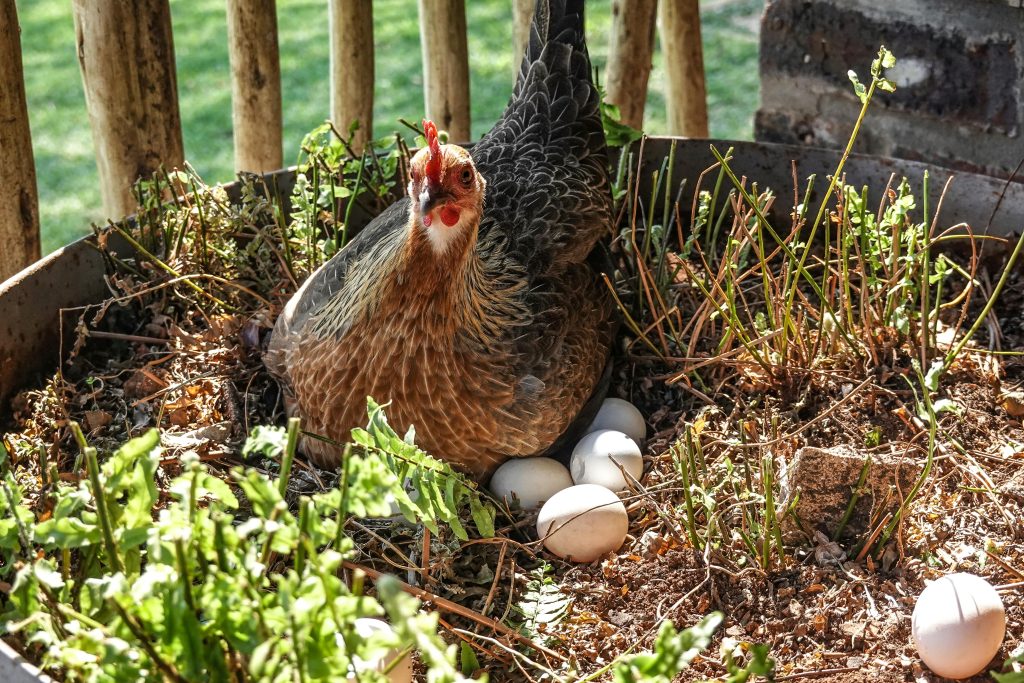
A broody hen is a hen that has developed a strong instinct to sit on eggs, keeping them warm and protected, in the hopes of hatching chicks. This behaviour is triggered by hormonal changes, which occur during the breeding season or when a hen’s internal cycle leads her to become “broody.” The term “broody” refers to the hen’s desire to hatch and raise chicks, and it’s a completely natural part of chicken reproduction.
Broody hens will usually stop laying eggs and focus entirely on sitting on a clutch, even if the eggs are not fertilized. While many breeds of chickens will occasionally go broody, some are more likely to develop broody behaviour than others.
Recognizing a Broody Hen
A broody hen will show several signs that indicate she is ready to hatch eggs. These signs may include:
Constant Sitting on the Nest: A broody hen will spend a lot of time sitting in the nesting box, often for hours at a time, and sometimes refusing to leave the nest to eat, drink, or lay eggs. If you notice your hen rarely leaving the nest and appears to be brooding, she is likely broody.
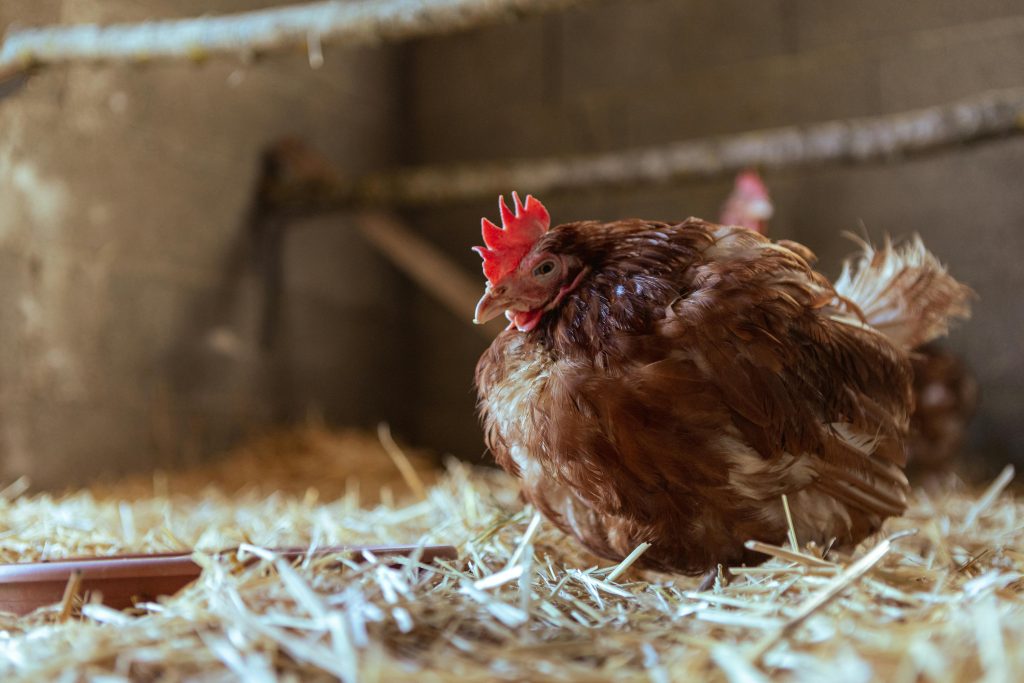
Low or Aggressive Behaviour: A broody hen will often puff up her feathers and may become protective or even aggressive if you try to remove her from the nest. She may also make a soft, continuous clucking sound when disturbed.
Flattened Body Posture: When sitting on her eggs, the broody hen adopts a flattened posture, with her wings spread slightly to cover her eggs.
Feather Loss: Broody hens often lose feathers from their belly area, which helps provide better contact with the eggs and creates more warmth for incubation.
Increased Nesting Activity: A broody hen may gather and keep eggs in her nest, even if those eggs aren’t hers, or she may try to collect all the eggs laid by the other hens.
Why Do Hens Go Broody?
Broody behaviour is driven by hormonal changes and the natural reproductive cycle of hens. When a hen becomes broody, her body goes into “mothering mode,” and she may be driven to incubate eggs for several weeks. In wild birds, this behaviour ensures that eggs are kept warm and protected, leading to the successful hatching of chicks.
However, domesticated hens don’t always have fertile eggs available to hatch. When hens go broody in backyard flocks, they often don’t have a rooster to fertilize their eggs, which can result in a frustrating experience for the hen, as the eggs will not hatch.
Some breeds, such as Silkies, Cochins, Orpingtons, and Wyandottes, are known for being broodier than others. While this trait is often considered beneficial for those looking to raise chicks, it can be an issue if you’re primarily raising hens for egg production or if you don’t want additional chicks.
How to Manage a Broody Hen
Managing a broody hen depends on your goals and the setup of your flock. Here are a few approaches to handle broody behaviour:
1. Let Her Hatch Eggs (If You Want Chicks)
If you want to raise chicks and have a rooster to fertilize the eggs, letting your broody hen incubate the eggs is an excellent, natural method. Here’s how to support her:
Provide a Safe, Quiet Nesting Area: Place your broody hen in a quiet, secure nesting area, free from disturbances by other chickens. You can give her a few fertilized eggs to incubate or allow her to sit on the eggs laid by the other hens.
Offer Food and Water: Broody hens may refuse to leave the nest, but it’s important to ensure she has access to fresh food and water. Consider placing the food and water containers nearby so she doesn’t have to leave the nest for too long.
Monitor the Incubation Period: A broody hen will typically incubate eggs for about 21 days. If the eggs are fertilized, they will hatch after this period. Make sure to monitor the situation, ensuring that the hen remains healthy and that the eggs are not damaged by other flock members.
2. Break the Broody Behaviour (If You Don’t Want Chicks)
If you don’t want your hen to hatch chicks, you may need to “break” her broody behaviour. A broody hen can be relentless and leaving her to sit on infertile eggs for weeks may lead to health issues, such as weight loss or feather damage. Here are some strategies to break a broody hen:
Remove Her from the Nesting Area: Gently remove the hen from the nesting box and place her in a separate area away from the other hens. Some poultry keepers place the hen in a small, wire-bottom cage where she can’t sit on the ground. This discourages her from brooding, as the wire allows air to circulate beneath her, making her uncomfortable.
Provide Distractions: Keep the hen occupied with treats or new activities, such as access to a dust bath or space to free-range. Keeping her active may help her break the cycle of broody behaviour.
Cool Down: Lowering the hen’s body temperature is often effective. Some people will place the broody hen in a cool, shaded area for a few hours, making her uncomfortable enough to stop brooding.
Use a Broody Breaker: If the broody behaviour persists, you may need to isolate the hen for 3-5 days to reset her hormonal cycle. This method can help her regain her normal egg-laying behaviour.
3. Consider a Broody Hen as a Natural Incubator
If you are raising multiple chickens and have fertilized eggs on hand, you may not need to do much to manage a broody hen—just let her take charge of incubating and caring for the eggs. A broody hen instinctively knows how to care for her eggs, turn them regularly, and keep them warm, making her a reliable, low-maintenance option for hatching chicks.
Conclusion
Broody hens are a natural and fascinating part of poultry behaviour. While brooding can be an inconvenience for some chicken keepers, it can also be a valuable asset when you want to expand your flock without the need for an incubator. Understanding when a hen is broody, recognizing the signs, and managing her behaviour according to your goals will help you handle this natural instinct effectively. Whether you choose to let her hatch eggs or break the broody cycle, a broody hen remains one of the most intriguing and rewarding aspects of raising chickens.