
What do chickens eat?
Chooks (or chickens) have a varied diet that depends on their age, breed, and whether they are kept for egg production, meat, or as pets. The key to a healthy chicken diet is balance, ensuring they get the right nutrients to grow, lay eggs, and stay active. Here’s a breakdown of what chickens typically eat:
1. Commercial Chicken Feed
For most backyard chickens, a complete commercial chicken feed is the foundation of their diet. These feeds are specially formulated to provide the essential nutrients, including proteins, vitamins, and minerals, that chickens need to stay healthy. The type of feed depends on the chickens’ age and purpose:
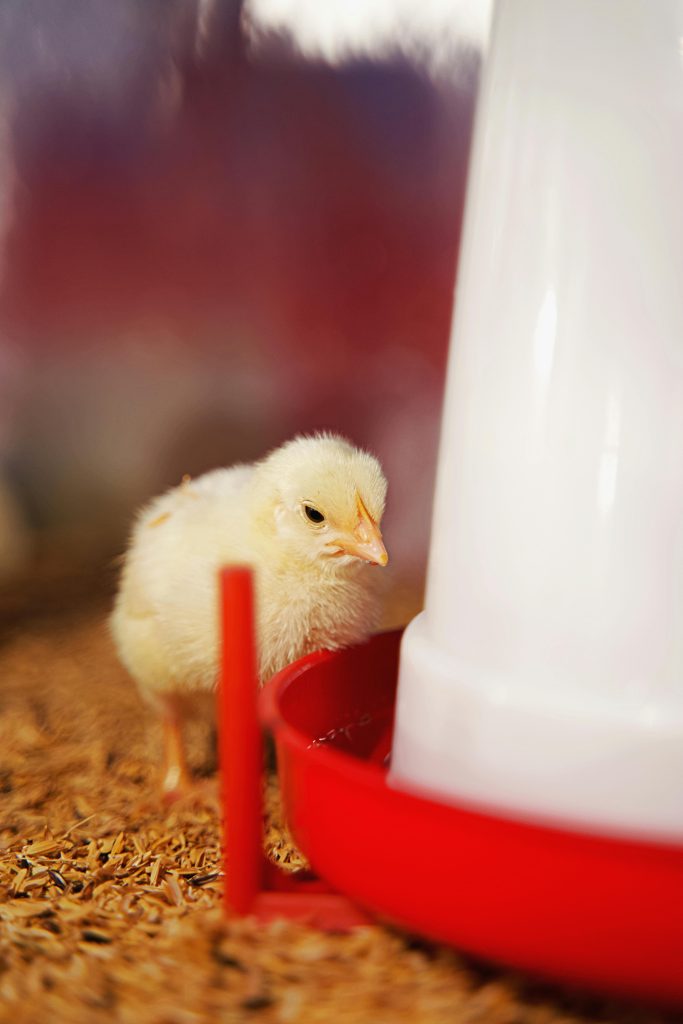
- Starter Feed: This is for chicks from 0-6 weeks old and has a higher protein content (around 18-20%) to support growth.
- Grower Feed: For chickens aged 6-16 weeks, grower feed has a slightly lower protein level (around 16-18%), supporting steady growth without encouraging too rapid development.
- Layer Feed: For adult laying hens, layer feed is formulated with lower protein (around 16%) but includes additional calcium, which is vital for egg production and strong eggshells.
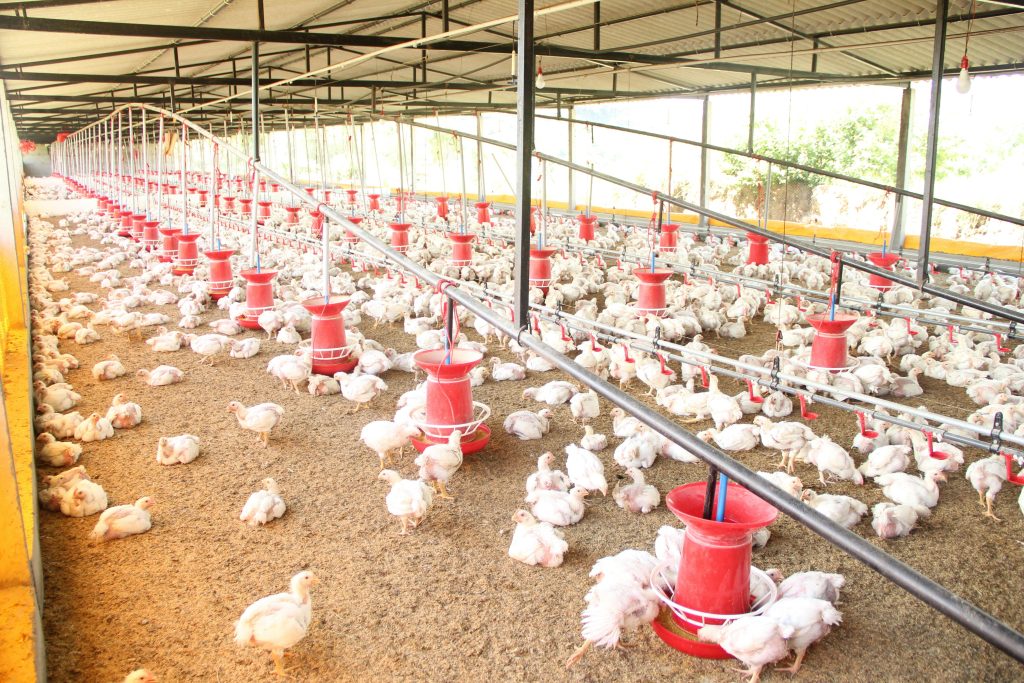
- Non-Laying or Broiler Feed: If you have chickens for meat production, broiler feed is designed to promote rapid growth.
2. Grains and Seeds
Chickens love grains, and they should have access to whole grains such as corn, wheat, barley, and oats, which can be offered in moderation as a supplement to their feed. Scratch grains (a mixture of cracked corn, oats, and other grains) can also be used as a treat but should not make up more than 10% of their total diet.
3. Fresh Vegetables and Greens
Chickens are natural foragers, and they love to peck at a variety of fresh foods. You can offer them:
- Leafy greens like spinach, kale, lettuce, and cabbage.
- Carrot tops, broccoli, and cucumber are also favorites.
- Herbs such as parsley, basil, oregano, and mint are beneficial for both their health and enjoyment.
Make sure to wash vegetables and greens thoroughly before offering them, as dirt or pesticides can be harmful to chickens.
4. Fruit
Chickens enjoy fruit, but it should be given in moderation due to its sugar content. Fruits that are safe for chickens include:
- Berries (strawberries, raspberries, blueberries)
- Apples (make sure to remove the seeds, as they contain cyanide, which is toxic in large amounts)
- Bananas
- Melons (watermelon, cantaloupe, etc.)
- Pineapple
Avoid offering too much citrus fruit, as it can upset their stomachs.
5. Protein Sources
Chickens need protein to grow and produce eggs, especially layers. While commercial feed provides the necessary protein, you can also supplement their diet with:
- Mealworms (chickens love these as a treat and protein boost)
- Crickets
- Black soldier fly larvae
- Boiled eggs (chopped into small pieces)
- Fish or meat scraps (in moderation, to avoid dietary imbalance)
6. Gravel and Grit
Chickens don’t have teeth, so they rely on grit to help them grind their food in their gizzard. If chickens have access to the ground, they will naturally pick up small stones and sand to aid in digestion. You can also provide oyster shell or grit in a separate dish, especially if they are laying eggs, as it helps with calcium and digestion.
7. Water
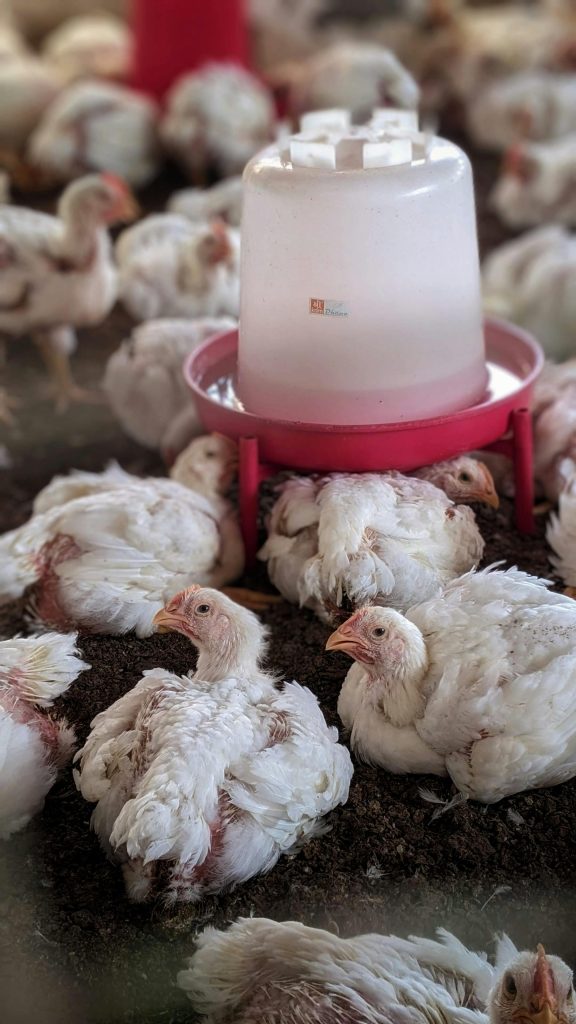
Fresh, clean water is essential for chickens at all times. Chickens can drink a lot of water, especially if they are laying eggs, and it’s vital to keep their water sources clean to prevent the spread of disease.
8. Foods to Avoid
Certain foods should be avoided as they can be harmful or toxic to chickens. These include:
- Avocado (the pit and skin are toxic)
- Raw potatoes and potato peels (contain solanine, which is toxic)
- Chocolate
- Onions and garlic (can cause digestive upset or anemia in high amounts)
- Caffeinated or alcoholic beverages
- Moldy or spoiled food
Conclusion
A balanced diet of commercial feed, fresh vegetables, grains, and occasional treats will ensure your chooks stay healthy, productive, and happy. Offering them a varied diet will not only meet their nutritional needs but also give them the opportunity to engage in natural foraging behaviors, making them more content and likely to produce better eggs. Be mindful of food safety and avoid overfeeding treats, as too many snacks can cause obesity and nutritional imbalances.